
Insights
Field Operations Intelligence
What goes wrong when distributed workforces lose visibility — and what the right tools look like in 2026. Analysis, regulatory commentary, and case studies grounded in real events.
field operations intelligence
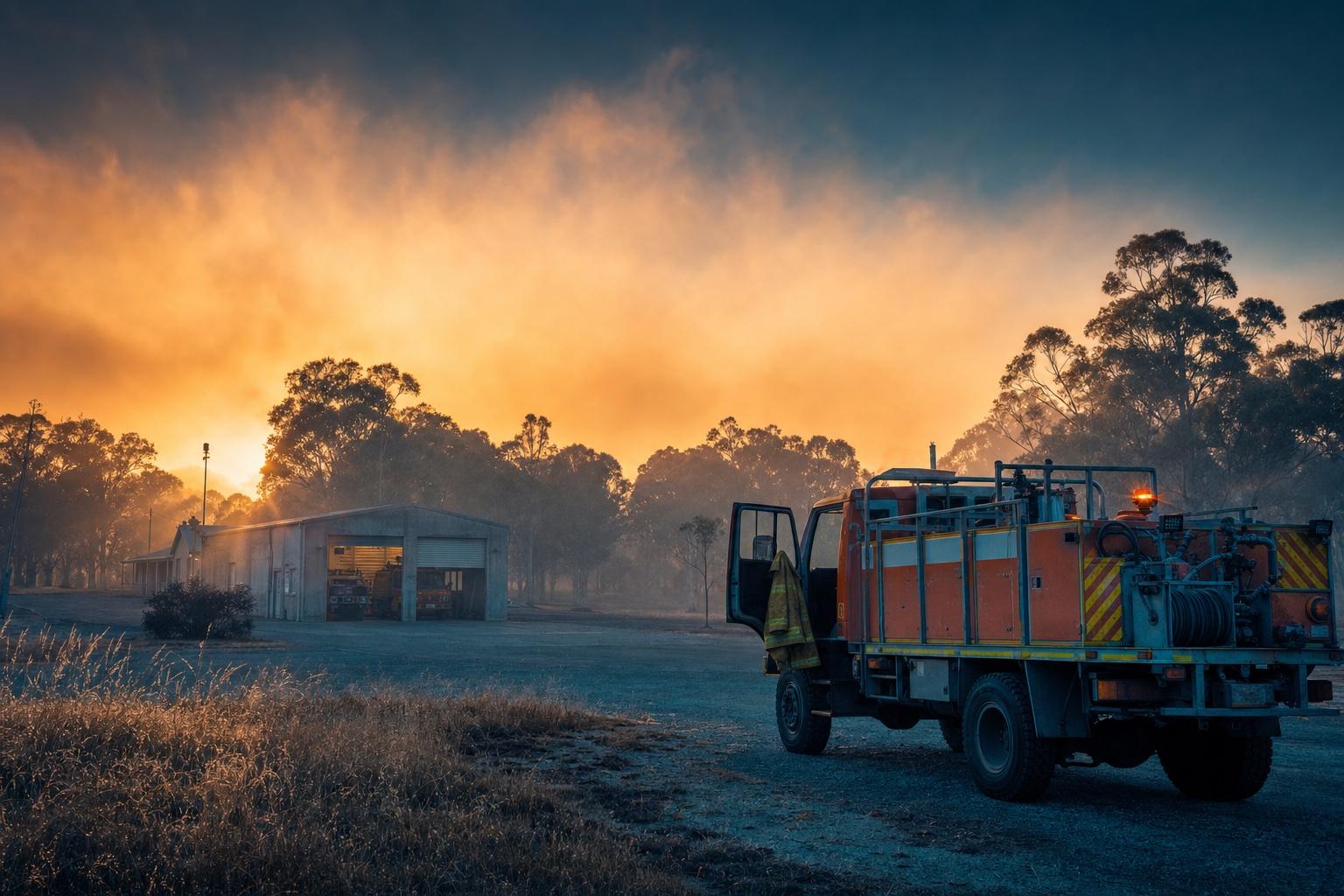
Where are the volunteers? The visibility gap in Australia's distributed emergency-services workforce
Volunteer field workforces are the largest distributed-workforce category in Australia and the least studied operationally. The visibility tools designed for paid-labour networks rarely fit them. The gap is bigger than it looks — and the next bad season will surface it again.
field operations intelligence
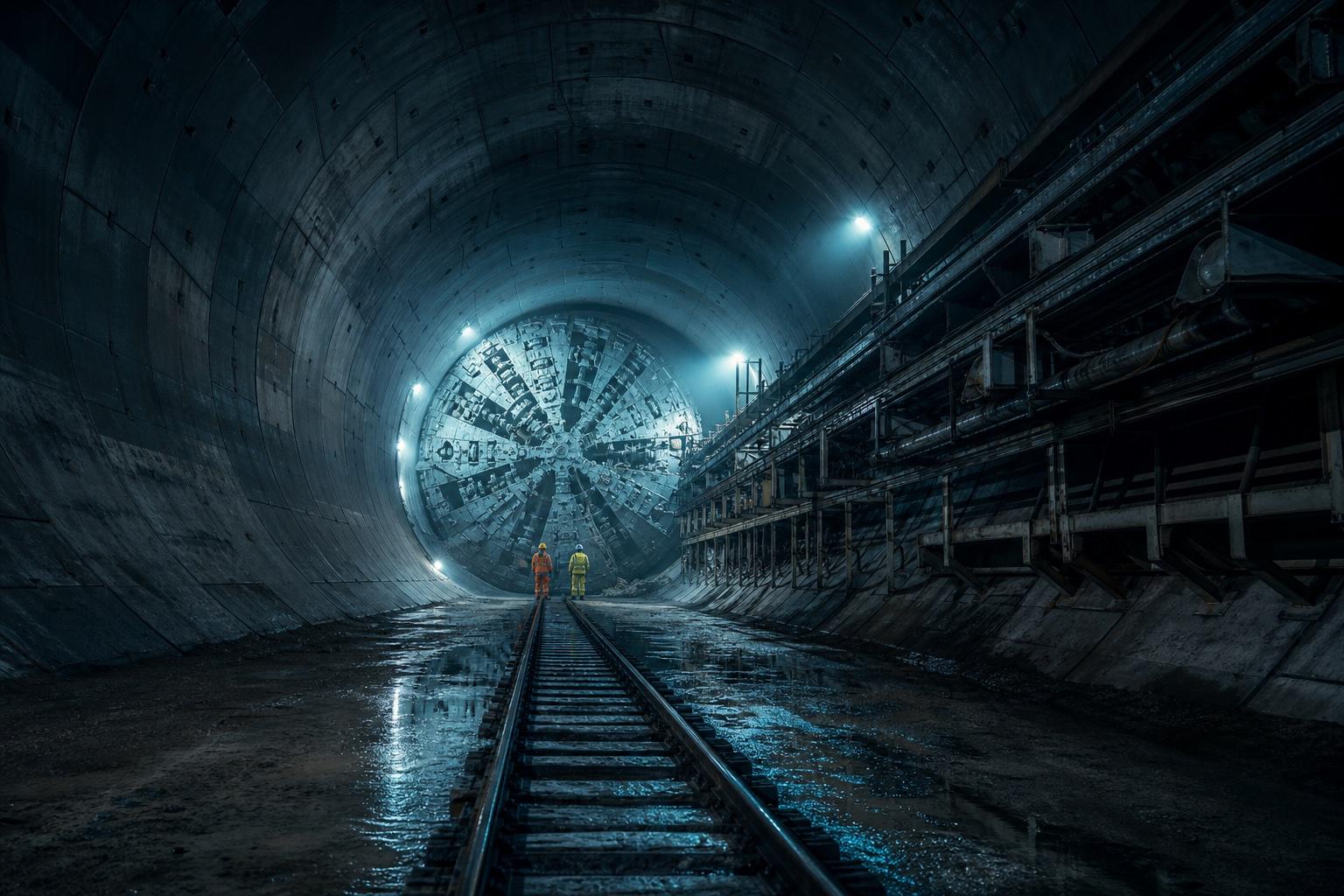
Six years and counting: what Snowy 2.0 teaches every multi-site builder about visibility
Snowy 2.0's TBM Florence was stuck for months in a 850-metre stretch of bad ground. A fourth $75M TBM was commissioned to rescue the schedule. The operational visibility problem the project surfaces is the same problem every multi-site builder eventually faces.

field operations intelligence
When the doorbell rings, who's on the other side? Home-care lone-worker safety in 2026
Australia's home-care workforce delivers care across kitchens, hallways, and front porches every day — without the protective infrastructure of a hospital ward. The 2025 ACT WorkSafe investigation made the gap impossible to ignore.
field operations intelligence
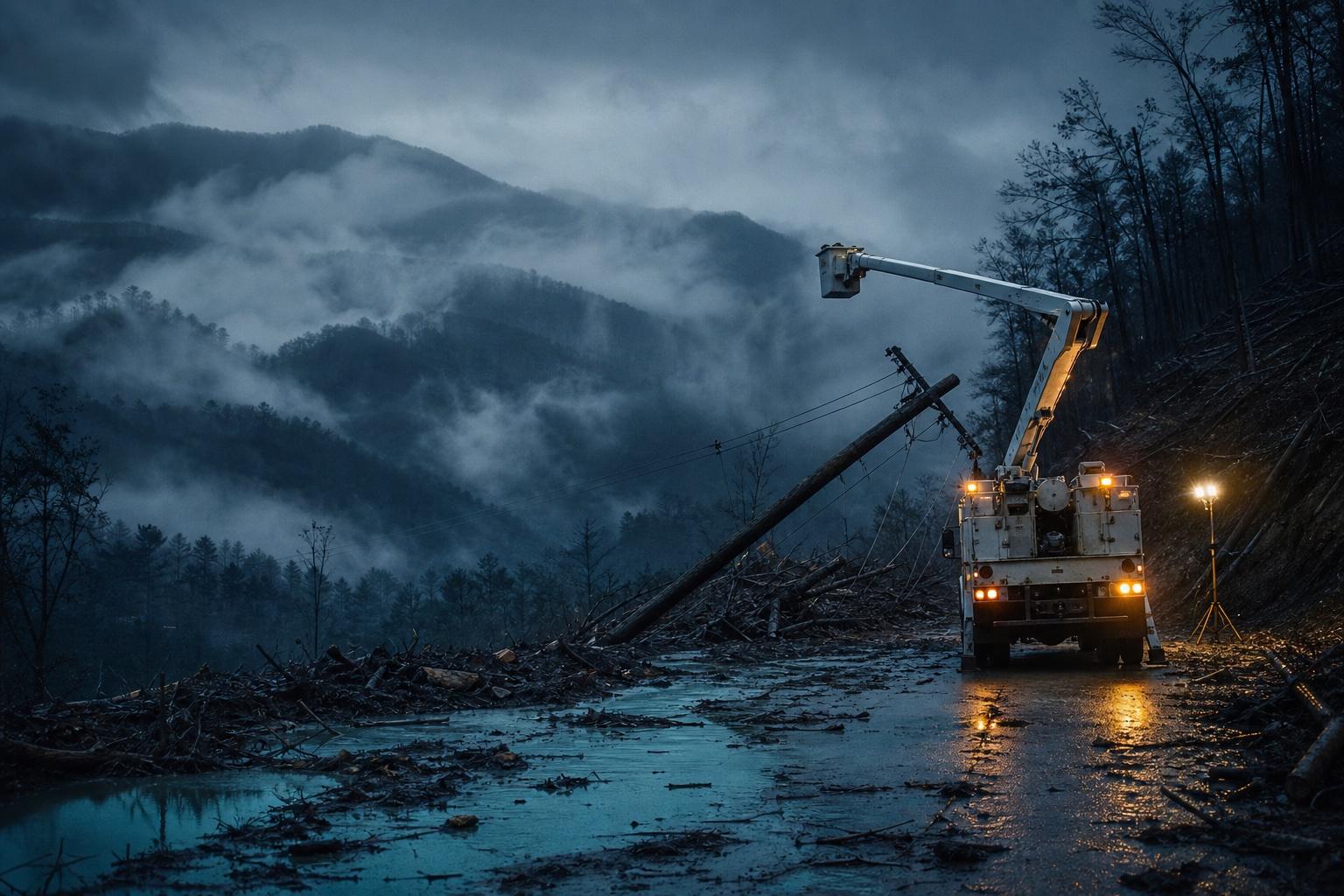
Forty days in the dark: what Hurricane Helene exposed about mutual-aid coordination
Helene wasn't just a power-restoration story. It was a field-operations-coordination story disguised as one — and the gap it exposed has not closed.

field operations intelligence
Australia's biggest pharmacy distribution machine just got built. Now comes the harder question.
Post-merger Sigma + Chemist Warehouse is a 900-store, 3,000-customer, 14-distribution-centre machine. The question every multi-DC operator now asks themselves at month 15 is whether they have visibility of what's happening in the trucks between those DCs.
field operations intelligence
What WorkSafe inspectors are actually asking for under Reg 48 in 2026
Reg 48 is loose on the technology and tight on the audit trail. Standalone satellite devices satisfy the safety brief but not the evidence brief. Here is the four-category framework WorkSafe inspectors are actually applying in 2026.
field operations intelligence
When the data you had but ignored became a 3-year jail sentence
The first time anyone was jailed under Australia's Heavy Vehicle National Law was 23 January 2024. The evidence against the National Operations Manager wasn't a missing record. It was 800 shifts of fatigue breaches that supervisors had checked and signed off anyway. Here's what that precedent means for every operator with a distributed workforce.
field operations intelligence
CrowdStrike was never an IT story — it was a field operations story
On 19 July 2024 a single CrowdStrike update bricked Windows endpoints worldwide. Aurizon stopped every train on the Central Queensland Coal Network. Mac and Linux hosts were untouched. The story isn't what went wrong at CrowdStrike — it's why so much Australian field-work depended on a single-vendor stack.
field operations intelligence
When the network goes dark, what happens to the work?
On 18 September 2025, Optus went dark for 14 hours and 455 emergency calls didn't connect. At least two people died. It was the second outage of its kind in 22 months. Here's what field operators learned — and what they should have.